
Every Alone Winner in Order: Seasons 1–13 & Australia
Published July 2, 2026 · Updated September 12, 2026
Spoiler note: this post names every Alone winner, including their final day counts.
Žiga Ogorelec won Alone Season 13 after 90 days, earning US$500,000 and the first World Champion title. The finale aired September 9, 2026. Delo confirmed the result. This list now covers all 13 completed US seasons, all four completed Alone Australia seasons and Frozen; the Skills Challenge does not crown an overall winner.
The complete Alone winners table, season by season
Days lasted and prize come straight from each season's normalized record. Locations are shortened here; the full regional detail lives on each season page.
| Show / Season | Winner | Days | Location | Prize |
|---|---|---|---|---|
| US 1 | Alan Kay | 56 | Vancouver Island, BC | $500,000 |
| US 2 | David McIntyre | 66 | Vancouver Island, BC | $500,000 |
| US 3 | Zachary Fowler | 87 | Patagonia, Argentina | $500,000 |
| US 4 | Jim Baird and Ted Baird | 75 | Vancouver Island, BC | $500,000 (split) |
| US 5 | Sam Larson | 60 | Selenge, Mongolia | $500,000 |
| US 6 | Jordan Jonas | 77 | Great Slave Lake, NWT | $500,000 |
| US 7 | Roland Welker | 100 | Great Slave Lake, NWT | $1,000,000 |
| US 8 | Clay Hayes | 74 | Chilko Lake, BC | $500,000 |
| US 9 | Juan Pablo Quiñonez | 78 | Labrador, Canada | $500,000 |
| US 10 | Alan Tenta | 66 | Reindeer Lake, SK | $500,000 |
| US 11 | William Larkham Jr. | 84 | Mackenzie Delta, NWT | $500,000 |
| US 12 | Nathan Olsen | 34 | Great Karoo, South Africa | $500,000 |
| US 13 | Žiga Ogorelec | 90 | Richardson Mountains, NWT | $500,000 |
| AUS 1 | Gina Chick | 67 | Tasmania | $250,000 AUD |
| AUS 2 | Krzysztof Wojtkowski | 64 | Fiordland, New Zealand | $250,000 AUD |
| AUS 3 | Shay Williamson | 76 | Tasmania | $250,000 AUD |
| AUS 4 | Trent Fenton | 52 | Sápmi, Finland | $250,000 AUD |
| Frozen | Woniya Thibeault | 50 | Labrador, Canada | $500,000 |
Shopping examples
Compare two items from the winner’s gear categories
A saw and shovel appear in Žiga’s recorded ten-item kit. His exact brands and models are not confirmed; these are shopping examples in those categories.
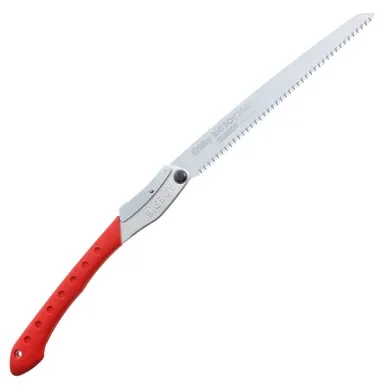
Example folding saw
Silky BIGBOY 360 mm folding saw
A 360 mm folding blade with large teeth for cutting camp wood. Check the delivery estimate before ordering.
Affiliate link. I may earn a commission at no extra cost to you. Details
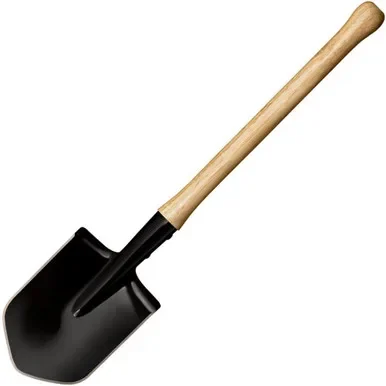
Example camp shovel
Cold Steel Special Forces shovel
A compact shovel with a carbon steel blade and wood handle, measuring 20 inches overall. The linked 92SFS listing includes a sheath.
Affiliate link. I may earn a commission at no extra cost to you. Details
For the rest of the kit, browse the Alone gear list and cooking-pot comparisons.
Every US winner, in order
Alan Kay (season 1, 56 days) set the template: a survival instructor from Georgia who lived off limpets, seaweed, and shoreline protein while rivals burned out or quit, winning by one day over Sam Larson.
David McIntyre (season 2, 66 days) was a survival instructor from Michigan who died in November 2024. His win is still remembered as a masterclass in routine: a raised sleeping platform, a gill net, a seafood box trap, and days structured around staying warm, dry, fed, and watered so he would have no reason to quit.
Zachary Fowler (season 3, 87 days) took the show's first non-Canadian season in Patagonia mainly on dozens of trout, and won when runner-up Carleigh Fairchild was medically evacuated on day 86, a one-day margin.
Jim Baird and Ted Baird (season 4, 75 days) are the only co-winners in US history. Season 4 ("Lost & Found") paired contestants as teams; the Toronto brothers built a canoe-style boat to fish their lake and outlasted the second-place father-son team by a single day, splitting the $500,000.
Sam Larson (season 5, 60 days) turned his season 1 runner-up finish into the franchise's first redemption win in Mongolia, after overhauling his kit with a warmer sleeping bag and rations in place of a fishing kit.
Jordan Jonas (season 6, 77 days) changed what winning could look like: about 20 days in he killed a bull moose, the first big-game kill in show history, and rode several hundred pounds of meat to the finish.
Roland Welker (season 7, 100 days) remains the only million-dollar winner. The one-off format required surviving a fixed 100 days; the Alaska hunting guide was the only contestant to get there, building a log shelter and feeding himself with a longbow, gill net, and snare wire.
Clay Hayes (season 8, 74 days) won the show's first true alpine season at Chilko Lake with a self-made Osage orange selfbow, harvesting a deer along the way and edging a one-day finish.
Juan Pablo Quiñonez (season 9, 78 days) ground out a fishing-led win on Labrador's Big River, outlasting runner-up Karie Lee Knoke by three days.
Alan Tenta (season 10, 66 days) was a 52-year-old teacher who built his kit around redundancy (fishing kit, longbow, and snare wire all at once) on Reindeer Lake, Saskatchewan.
William Larkham Jr. (season 11, 84 days) played his trade as a commercial fisherman, using a homemade gill net in the fish-rich Mackenzie Delta above the Arctic Circle and winning by one day over Timber Cleghorn.
Nathan Olsen (season 12, 34 days) won the show's first desert season in South Africa's Great Karoo, the shortest winning run on record, in a season where the entire field averaged just 16 days.
Žiga Ogorelec (season 13, 90 days) won the World Championship in the Canadian Arctic. Aaron Barnard was second at 87 days and Nero Buys third at 85. Read the finale results and the complete 13-episode guide.
The Alone Australia winners
Gina Chick (season 1, 67 days) became the first Alone Australia champion in Tasmania at age 52, the oldest winner of any version at the time and only the second woman to win any Alone franchise. Krzysztof Wojtkowski (season 2, 64 days) won in Fiordland, New Zealand without ever voluntarily tapping out; a day-64 medical check ended his run, at which point producers revealed he had already outlasted everyone. Shay Williamson (season 3, 76 days), a professional possum trapper from New Zealand, lived mainly on eels, fish, plants, and worms, and holds the longest Alone Australia winning run. The full Australian breakdown lives in our Alone Australia winners list.
Trent Fenton won Season 4 at 52 days in Finland, receiving A$250,000. SBS’s winner interview confirms Jasper as runner-up at 48 days and Clint third at 47.
The two entries that need an asterisk
The season 4 line counts as one winning result but names two people, and that is not a data glitch. Season 4 was a team format that paired contestants as siblings, parents and children, or spouses. Jim and Ted Baird both finished with placement 1 at 75 days and split the standard $500,000 as a team, the only time the flagship show has produced co-winners.
The Frozen spin-off ran on a different logic again. Instead of last-person-standing, its $500,000 was structured to be divided among everyone who reached a fixed 50-day cap. Woniya Thibeault was the only one of six returnees to get there, so she took the whole amount and became the first woman to win any version of Alone. I break that format down further in our piece on Frozen versus the main show.
What the Alone series winners have in common
Counting the Baird brothers separately, these 18 winning results name 19 champions. Seventeen have gear lists recorded here; Shay Williamson and Trent Fenton’s lists are not yet documented in this database. Žiga’s kit adds an unusual winning example without an axe or a ferro rod. The winner profiles and gear directory let you compare the recorded equipment without treating missing lists as empty packs.
Has anyone won Alone more than once?
No. No contestant has won twice, and the closest cases are second-chance arcs: Sam Larson finished second in season 1 and won season 5, and Woniya Thibeault was the season 6 runner-up at 73 days before winning Frozen. Nobody has entered two seasons and won both.
Who has lasted the longest to win Alone?
Roland Welker’s 100 days in Season 7 remain the longest US winning stay, under that season’s fixed 100-day challenge. Žiga Ogorelec’s 90 days in Season 13 are the longest winning stay in the US show’s last-person-standing format, ahead of Zachary Fowler’s 87 days in Season 3. A winner’s total can include days before production reveals the result.
More in the Field Journal or start with the season guides.