

Do Alone Contestants Get Paid? The Money Behind the Show
Published August 25, 2025 · Updated September 12, 2026
The headline number everyone knows is the $500,000 prize. What most viewers do not realize is that only one person per season ever touches it. So the real money question for the other nine is quieter: does anyone get paid just for going out there and lasting a few weeks? The reported answer is yes, though the details sit behind confidentiality agreements that keep the exact figures fuzzy.
Do Alone contestants get paid a stipend? The part nobody confirms on the record
Multiple former contestants have said they received a weekly stipend during filming, compensation for the weeks or months away from jobs and families. Reported figures cluster around $1,000 to $2,000 per week, with some accounts pointing to the lower end. Treat that as a reported range, not a published rate. Contestants sign confidentiality terms, so the people who actually know the number are the ones who cannot say it, which is exactly why the estimates vary.
What is consistent across accounts is the logic of it. A stipend keeps the show from being a pure lottery where nine people lose months of income for nothing. It is not life-changing money, and it is not why anyone competes, but it takes the sharpest financial edge off tapping out early.
The reported structure also pays for time served rather than results. A contestant who taps out on day five and one who lasts fifty are both compensated for the weeks they were on production's clock, which is a meaningfully different arrangement from a prize that only the last person collects. Whether the payment is flat per week, per day, or a lump sum released in chunks is one more detail that varies between accounts, which again points back to the confidentiality that keeps the real terms private.
How much is the Alone prize money?
Unlike the stipend, the prize money is documented season by season, and it is not a flat number. The standard US prize has been $500,000 across twelve of the thirteen completed seasons, with season 7 as the exception, and Alone Australia runs on a smaller scale entirely.
| Show | Prize | Note |
|---|---|---|
| Alone US (most seasons) | $500,000 USD | Standard winner-takes-all |
| Alone US season 7 | $1,000,000 USD | Fixed 100-day "Million Dollar Challenge" |
| Alone US season 4 | $500,000 USD | Team season; split between the winning pair |
| Alone: Frozen | $500,000 USD | Split among everyone reaching the 50-day cap |
| Alone: The Skills Challenge | No cash prize | Head-to-head bushcraft format |
| Alone Australia | $250,000 AUD | Every completed season to date |
Three of those rows deserve a closer look, because they are the cases where "the winner gets $500K" stops being literally true.
Season 4 was the team season, with contestants competing in pairs. Brothers Jim and Ted Baird won together after 75 days, and the $500,000 was split between them, making it the only US season where the individual winner's take was $250,000.
Season 7 doubled the prize because it changed the game: instead of outlasting rivals, contestants raced to reach a fixed 100-day mark. Under those rules there could have been several millionaires, or none. Only Roland Welker got there, so he took the full $1,000,000.
Alone: Frozen, the 2022 spin-off, structured its $500,000 to be split among every contestant who reached the 50-day cap. Only Woniya Thibeault made it, so she collected the full amount, but the design meant the pot could have been divided three or four ways. And The Skills Challenge, the same year, offered no cash prize at all; its own format notes are explicit that there is no prize for winning a challenge.
Does the runner-up get anything?
No prize money, in any season. Because the stipend is modest and the prize is winner-takes-all, there is no financial reward for finishing second, third, or eighth. Season 11's runner-up lasted 83 days, one day behind the winner's 84, and the payout gap between those two runs was the entire $500,000. That all-or-nothing design is part of why the show is so punishing psychologically: every day you stay is a bet that costs you comfort now for a payout only one person collects.
It also changes how you read a tap-out. Several contestants have left within sight of the end, some by choice and some on medical pulls governed by the show's rules, knowing the stipend was all they would take home. Season 3's runner-up was medically evacuated on day 86 of an 87-day season, her BMI a fraction below the mandatory pull threshold; under this pay structure, that one day was the difference between $500,000 and a few months of stipend. Run the reported numbers on a long stay and the gap is stark: across the reported range, three months in the field works out to somewhere around $12,000 to $24,000, roughly 2 to 5 percent of the prize the winner collects for the same stretch of suffering. The modest weekly payment softens the downside just enough to keep people honest, but it never comes close to matching the prize, so the incentive to endure stays almost entirely emotional rather than financial.
What about Alone Australia and season 13?
Alone Australia has paid AUD $250,000 to its winner in every completed season, about half the US figure even before currency conversion. Whether its contestants receive a comparable stipend is not something we have seen credibly reported either way, so we will not guess at it.
Season 13 is complete. Žiga Ogorelec won after 90 days and received the US$500,000 grand prize plus the first Alone World Champion title. Delo confirmed the result; see the finale results for the final three.
So is going on Alone worth it financially?
For nine out of ten people per season, no, not on the direct math. The stipend is compensation, not income, and there is no appearance-fee ladder for making the merge or the finale the way some competition shows structure it. What the show does provide is a platform: a number of former contestants have built post-show businesses, books, YouTube channels, and schools on the visibility, and for some of them that has plausibly outearned the stipend many times over. But those outcomes are earned afterward, person by person, not paid by the production. The only guaranteed life-changing money on Alone is the prize, and the format is engineered so that exactly one person a season touches it.
The full season-by-season breakdown, including the odd split-prize formats, is in our prize money guide, the complete list of who won what sits on the winners page, and the season guides show the gap between the winner's haul and everyone else's, which is the whole point of the format.
Shopping examples
Curious about the gear contestants bring?
Start with the approved gear categories and compare a couple of tools for your own camp kit. These are shopping examples, not a list of required purchases or contestant expenses.
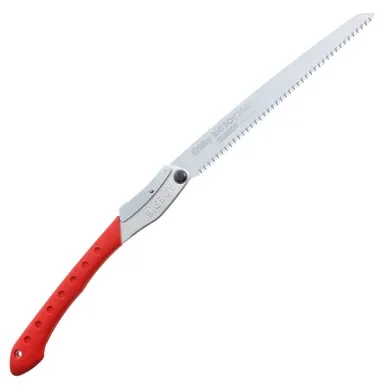
Example folding saw
Silky BIGBOY 360 mm folding saw
A 360 mm folding blade with large teeth for cutting camp wood. Check the delivery estimate before ordering.
Affiliate link. I may earn a commission at no extra cost to you. Details
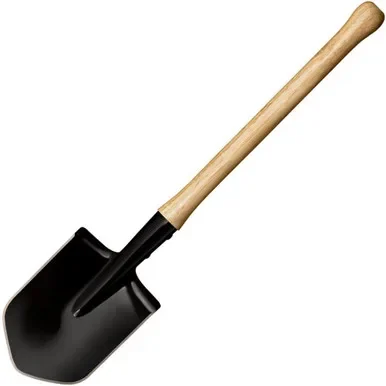
Example camp shovel
Cold Steel Special Forces shovel
A compact shovel with a carbon steel blade and wood handle, measuring 20 inches overall. The linked 92SFS listing includes a sheath.
Affiliate link. I may earn a commission at no extra cost to you. Details
For the rest of the kit, browse the Alone gear list and cooking-pot comparisons.
More in the Field Journal or start with the season guides.